
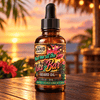
Beard Conditioning Oil: How It Works, How to Use It & How to Choose (2026)
, by Digital Marketing Incorporation, 17 min reading time
, by Digital Marketing Incorporation, 17 min reading time
Beard conditioning oil softens the hair you have and soothes the skin beneath. Learn how it works, how much to use, and how to choose the right formula.
A guide from Fort Denaud Beard and Skin on how conditioning oil works, how to use it, and how to match it to your beard type and climate.
Beard conditioning oil is a leave-on blend of carrier oils that conditions the hair you already have and the skin beneath it. It does not grow new follicles or change your genetics.
What it does well is replace the softness, shine and comfort that daily washing strips away, so a coarse, itchy beard feels manageable again. This guide explains how it works, how to use it, and how to choose the right formula for your beard type and climate, whether you are comparing options or ready to buy beard oil online.
Discover handcrafted beard conditioning oil from Fort Denaud, made in small batches with natural carrier and essential oils to soften and tame every beard.
Your skin produces sebum, a natural oil that travels down each hair and keeps it flexible. On a beard, sebum rarely reaches the ends, and shampoo or face wash removes even more of it. That is the “shower problem”: a freshly washed beard that feels rough, looks dull and itches because the skin underneath is tight and dry.
Beard conditioning oil steps in as a substitute. Carrier oils act as emollients, filling the gaps between skin cells and slowing moisture loss. On the hair, they coat the cuticle (the outer layer of overlapping scales) so it lies flatter. Flatter cuticles reflect more light, snag less and feel smoother. It is a cosmetic improvement, not a repair of damaged hair.
These products overlap, but they are not interchangeable. In the beard oil vs beard balm debate, the practical answer is that oil conditions and balm seals, so many men use both.
| Product | Main purpose | When to use | Hold |
|---|---|---|---|
| Beard conditioning oil | Softens hair and moisturizes skin | Daily, after towel-drying | None |
| Beard balm | Seals in moisture and tames flyaways | After oil, on medium to long beards | Light to medium |
| Beard butter | Rich conditioning for dry, thick hair | Evenings or in dry weather | Light |
| Beard conditioner (rinse-off) | Softens hair during washing | In the shower, 2–3 minutes | None |
Fort Denaud Beard and Skin is a Florida brand crafting small-batch beard oils, butters, and colognes inspired by the Everglades using natural essential oils.
Oil does not change genetics. It will not fill patchy areas or speed up growth, and any product that promises otherwise deserves skepticism. What beard conditioning oil can do is keep skin comfortable, reduce dryness-related itch and flaking (often called beardruff), and tame frizz so the beard looks fuller.
If flaking lasts beyond two to three weeks, or you notice redness, greasy yellowish scale or burning, see a doctor or dermatologist. Seborrheic dermatitis and other skin conditions need a proper diagnosis, not more oil.
The best beard conditioning oil is the one matched to your hair, skin and weather, not the one with the strongest scent.
The carrier oil makes up most of the bottle, so it matters more than the fragrance. A useful idea here is comedogenicity, a rough 0–5 scale for how likely an oil is to clog pores. Ratings are guides, not guarantees. The best carrier oils for beard care fall into three groups:
Choosing a beard conditioning oil by beard type is easier with a quick reference. Use this table as a starting point, then fine-tune it with the 14-day plan below.
| Your situation | What to look for | Why it works |
|---|---|---|
| Short beard or stubble | Light, fast-absorbing oil (jojoba, grapeseed) | Skin comfort matters more than coating short hair |
| Coarse beard | Beard oil for coarse hair with argan or almond and a touch of castor | Wiry strands need extra emollient weight to soften |
| Curly beard | A richer beard oil for curly beard texture, topped with balm | Curls lift away from skin, so ends dry out first |
| Long beard | Medium-weight oil, more drops, combed through | Ends are the oldest, driest hair |
| Dry or sensitive skin | Unscented or lightly scented, jojoba-based | Fewer potential irritants |
| Humid climate (Florida) | Lighter oil, fewer drops | Heavy oils feel greasy and trap sweat and dust |
| Dry climate | Richer oil, plus balm | Moisture evaporates faster |
On a label, ingredients run from highest to lowest amount, so a carrier oil should come first and “fragrance” near the end. Look for a PAO symbol (an open-jar icon with a number such as 12M) or a batch date showing how long the oil stays fresh once opened.
Browse Fort Denaud’s beard oil collection to find your favorite conditioning scent, from spicy Smuggler to Panther and Skunk Ape, in 1oz dropper bottles.
Here is how to use beard oil in four steps:
Damp or dry? We recommend towel-dried, not dripping, because slightly damp hair spreads oil evenly. That is common practice rather than rigorous proof, so follow your formula’s directions and adjust to what works for your beard.
If you layer products, the order is oil first, balm second and cologne last. Spray cologne on your neck or clothing rather than the beard, since alcohol can dry hair.
Explore more handcrafted beard care at Fort Denaud Beard and Skin, from beard butters and colognes to gift sets and a four-scent sample box.
The honest answer to how much beard oil to use is: less than you think. Start at the low end and add a drop only if your beard still feels dry.
| Beard length | Drops per application | Typical frequency |
|---|---|---|
| Stubble (under ¼ inch) | 2–3 | Once daily |
| Short (¼–1 inch) | 3–4 | Once daily |
| Medium (1–3 inches) | 4–6 | Once daily |
| Long (3+ inches) | 6–10 | Once or twice daily |
Frequency note: adjust for the weather.
Add a second light application in the evening.
In a Florida summer, use fewer drops or apply every other day so the beard does not feel heavy.
Most problems with beard conditioning oil trace back to too much product or the wrong weight for your skin and climate.
| Symptom | Likely cause | Fix |
|---|---|---|
| Greasy or heavy beard | Too many drops, or an oil too rich for your climate | Halve the drops, towel-dry well, switch to a lighter oil |
| Flakes | Dry skin, harsh wash, or an underlying skin condition | Work oil onto the skin, wash gently, see a doctor if it persists |
| Breakouts | Pore-clogging oil, too much product, dirty comb or pillowcase | Avoid coconut and avocado, use fewer drops, clean tools weekly |
| Stains on collars and pillowcases | Applying to a dripping beard or using too much | Towel-dry first, use fewer drops, wait a few minutes before dressing |
| Scent clash | Oil and cologne competing | Choose unscented oil or a matching scent, apply cologne last |
Heat, light and air speed up oxidation, which is what makes oil go rancid. Keep your beard conditioning oil tightly capped in a cool, dark place such as a drawer or dopp kit, and never in a hot car or a Florida garage, where temperatures can climb far above room temperature. Most oils stay fresh for roughly 6 to 12 months after opening, but your label’s PAO or batch date should have the final say.
Rancid oil smells off, like crayons, old paint or sour nuts, and may look darker or feel tacky. If in doubt, throw it out.
Not sure which scent or weight suits you? Our 4-scent beard oil sample box makes this plan a low-risk trial: test one scent per round before you commit to a full bottle of beard conditioning oil.
Beard conditioning oil softens coarse hair, moisturizes the skin underneath, and tames flyaways so your beard looks fuller and healthier. Fort Denaud’s small-batch blends combine carrier oils like jojoba, argan, and sweet almond with essential oils, easing dryness while adding a scent that lasts.
Use less. A few drops are enough, so warm them between your palms and work them through the hair from the roots outward. Apply to a clean, slightly damp beard once daily, and choose lightweight carrier oils like jojoba and argan, which sink into the hair without a greasy film.
Jojoba closely resembles skin’s natural sebum, so it absorbs quickly and suits oily or sensitive skin. Argan is slightly richer, adding softness and shine, plus vitamin E for coarse or dry beards. Fort Denaud’s Smuggler Scent Beard Oil blends both, so you get lightweight hydration plus deeper conditioning.
Jojoba oil is known for mimicking the skin’s natural sebum, delivering lightweight, non-greasy moisture that absorbs fast and rarely clogs pores. It helps soothe dry skin and beard itch, softens hair, and balances oil production. Fort Denaud includes jojoba among its carrier oils for everyday conditioning.
Brittle, wiry hair usually means dryness, so add moisture consistently. Wash gently, skip harsh soaps, then apply a conditioning beard oil daily, with richer carriers like argan, sweet almond, or hemp seed. Seal it in with beard butter, comb through to smooth strands, and trim split ends regularly.
Castor oil is known for ricinoleic acid and a popular reputation for thickening facial hair, though growth evidence is thin and mostly indirect. It moisturizes, helps reduce breakage, and makes wiry whiskers look fuller. Because it’s thick and sticky, blend it with lighter carrier oils.
Beard conditioning oil will not grow a beard, but it will make the one you have softer, more comfortable and easier to style. Pick the carrier oil first and the scent second, apply to a towel-dried beard, and start with fewer drops than you think you need. If you are shopping for the best beard oil for your beard type, start with the sample box, then buy beard oil in the size and scent that wins.
Ready to soften a dry, wiry beard? Choose your daily conditioning oil from Fort Denaud’s beard oil collection, with free U.S. shipping on $40+ orders.